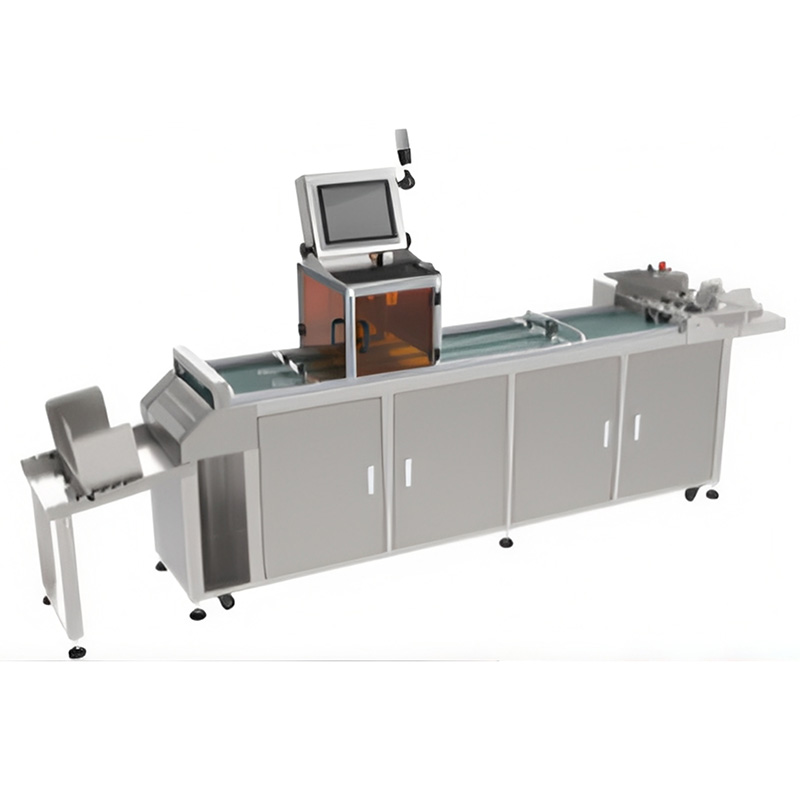
The working principle of the visual inspection machine:
The image of the product is obtained through the camera and other image acquisition equipment, and then the image processing algorithm is used to analyze and process the image to identify defects, size deviations, color differences and other problems in the product. Its working process mainly includes steps such as image acquisition, image preprocessing, feature extraction, defect detection, and result output.
Applications:
Application Fields: Used for dimensional measurement of auto parts, surface defect detection (such as scratches, pits, etc.), assembly correctness inspection (such as missing or misfitting parts), and overall body appearance inspection, etc., which are crucial to ensuring the quality and safety of automobiles.
Electronic manufacturing: In the production of electronic products, it can detect whether the circuit connection on the PCB board is correct, whether the solder joints are good, whether the components are installed in place and whether there are defects, etc. It can also perform visual inspection, dimensional measurement, and defect screening on semiconductor chips, such as detecting scratches, stains, and cracks on the surface of the chip. In the production line of electronic products such as mobile phones and computers, visual inspection equipment is widely used.
Food and beverage industry: In food production, the packaging integrity of food (such as whether there is damage, poor sealing, etc.), appearance quality (such as whether the shape is regular, whether there are stains on the surface, etc.), the color and luster of the food, etc. can be detected. In beverage production, it can detect whether the filling liquid level is accurate and whether the cap is well sealed. For example, it detects whether the label of bottled beverages is applied correctly, whether there are any omissions, and whether there are foreign objects in the food packaging.
Pharmaceutical industry: used for the testing of drug packaging, including the printing quality of the medicine box (such as text clarity, pattern integrity), and whether the packaging size meets the standards; The appearance of the drug can also be tested, such as whether the shape, color, and size of the tablet meet the requirements, and whether the capsule is damaged.